GoodDeed (GD) explored the future of cash transactions, minimized the anxiety of carrying cash, and created new and enriching experiences that keep banknotes relevant in a time of digital transactions. We showed our project sponsor, KBA-NotaSys, a way to enter the digital world with relevance.
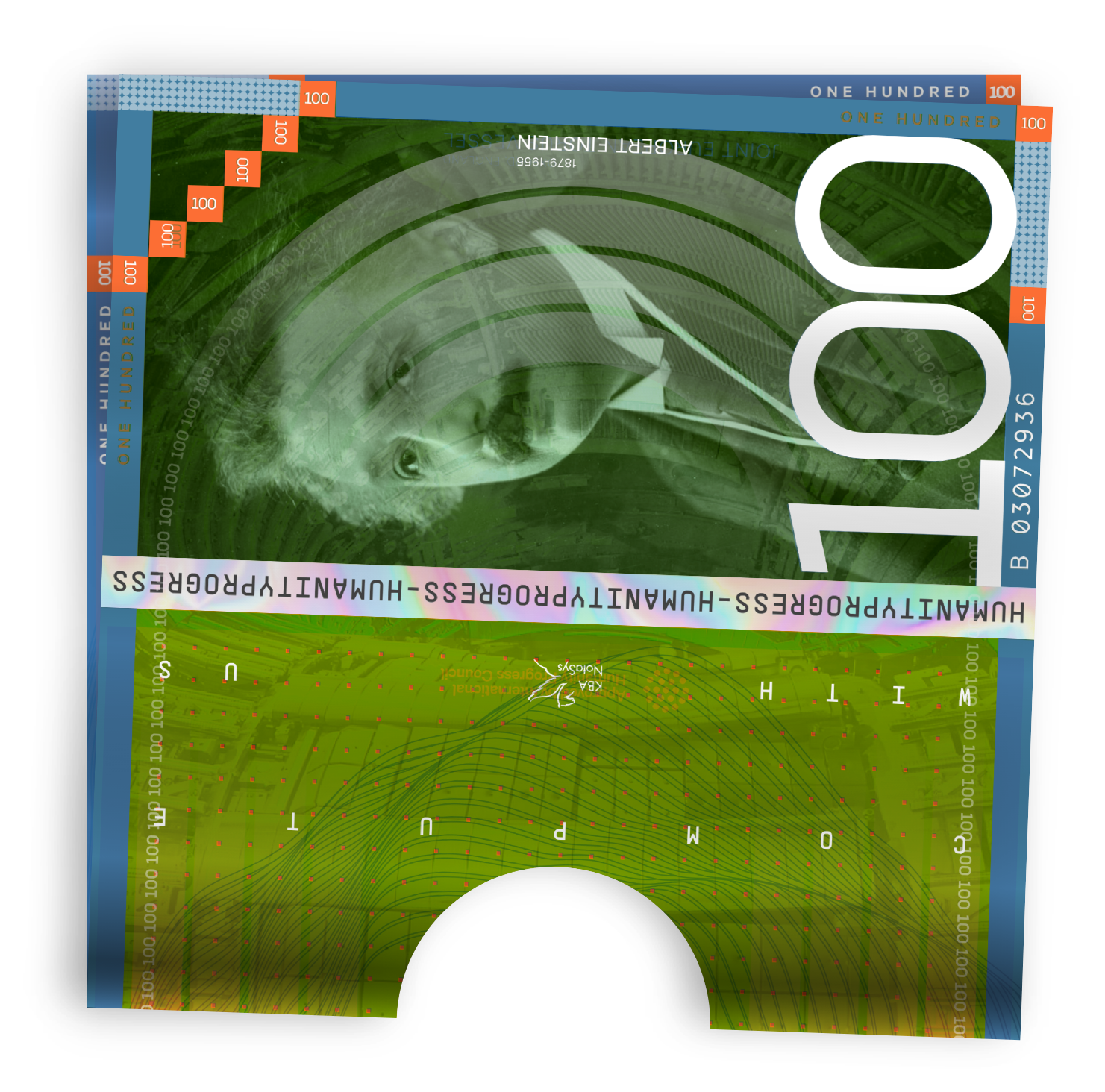
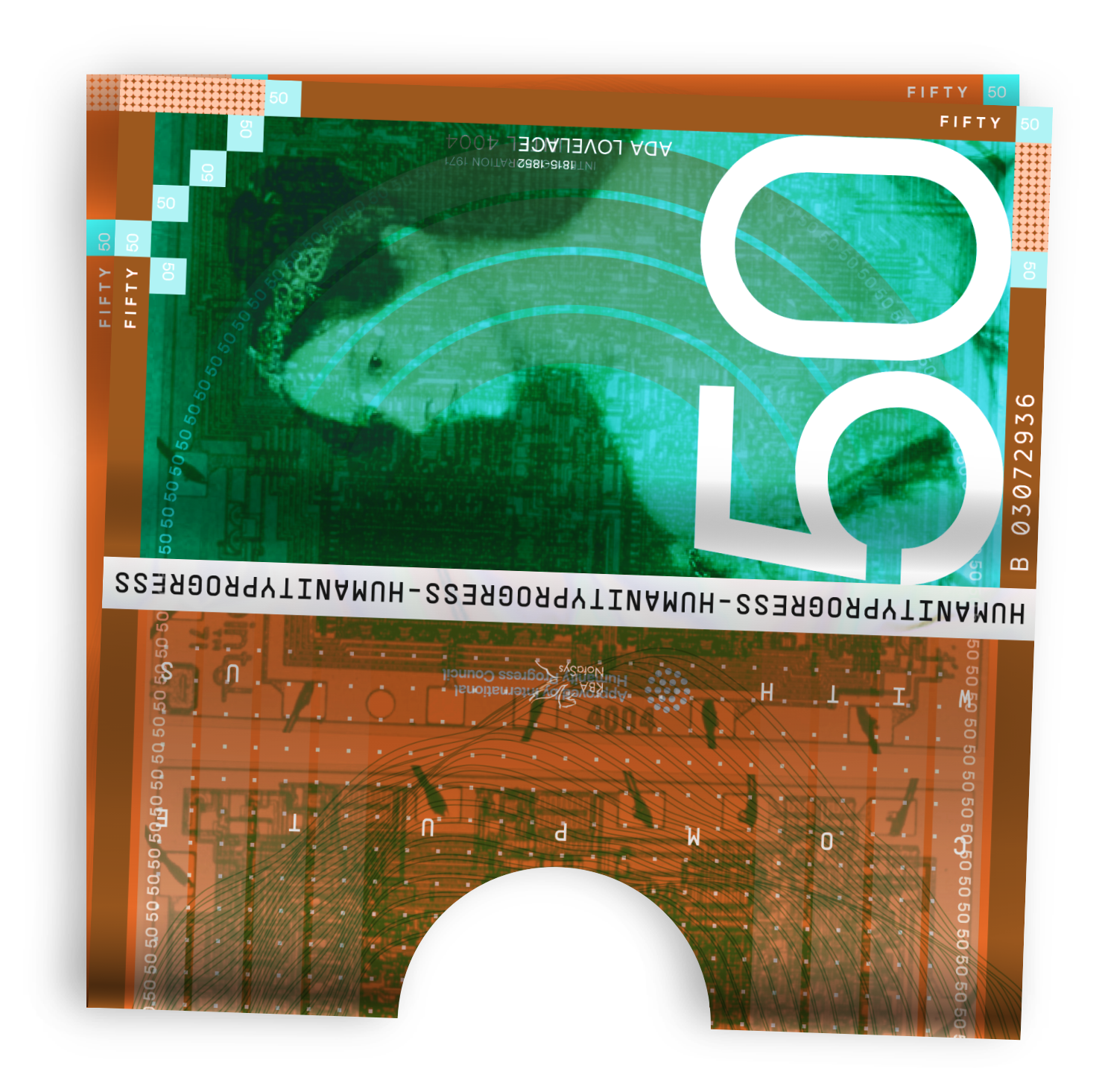
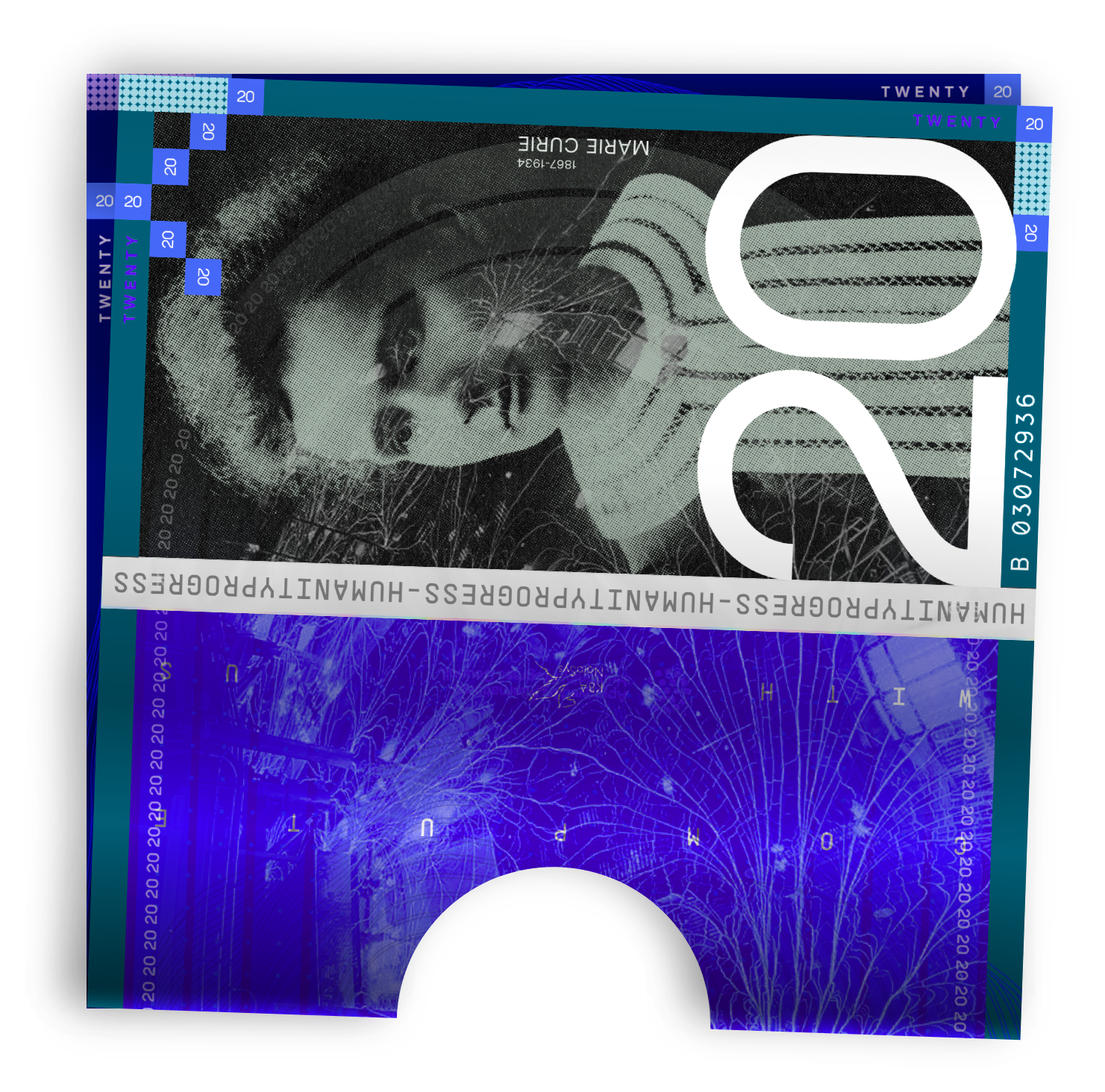
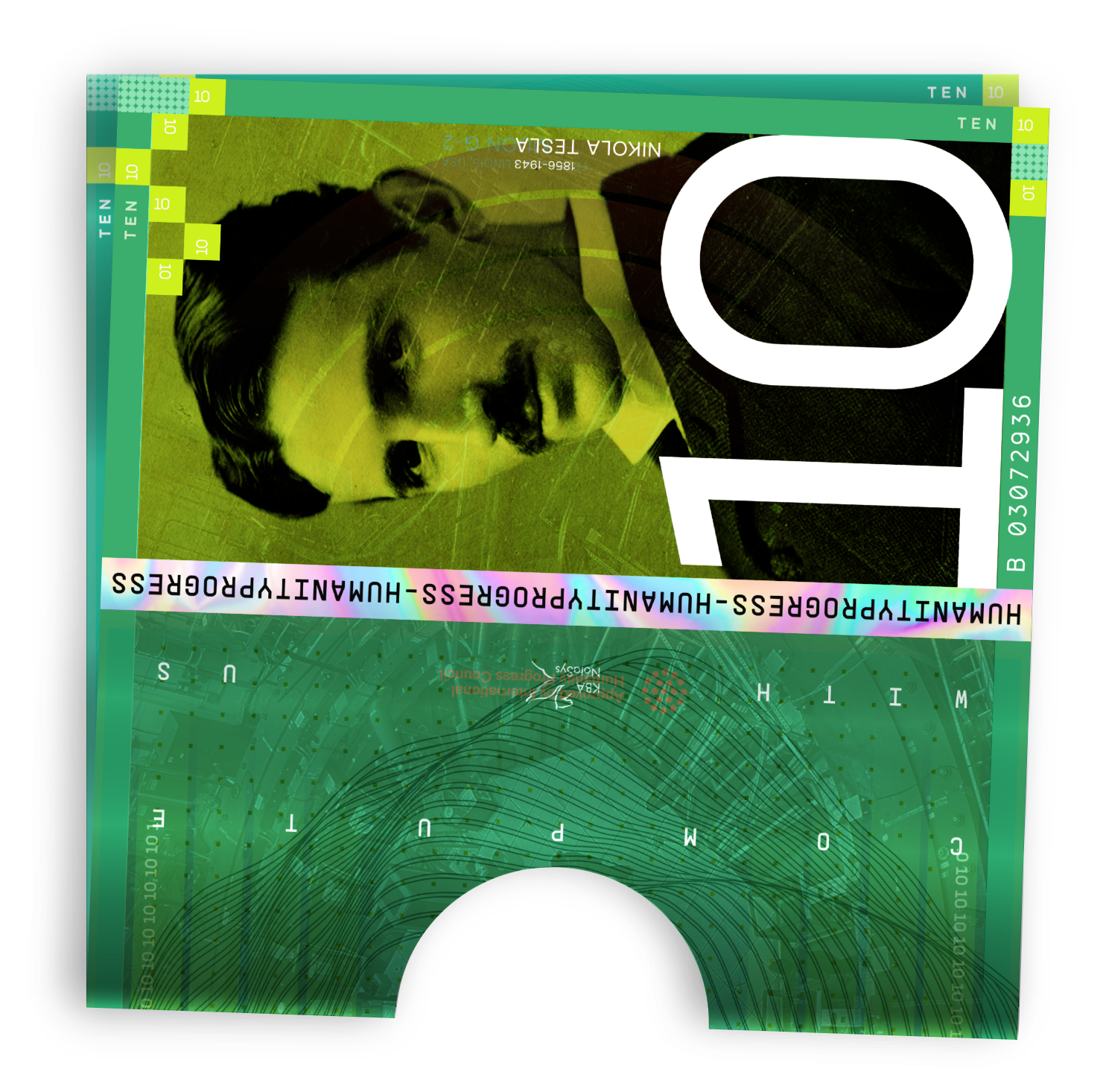
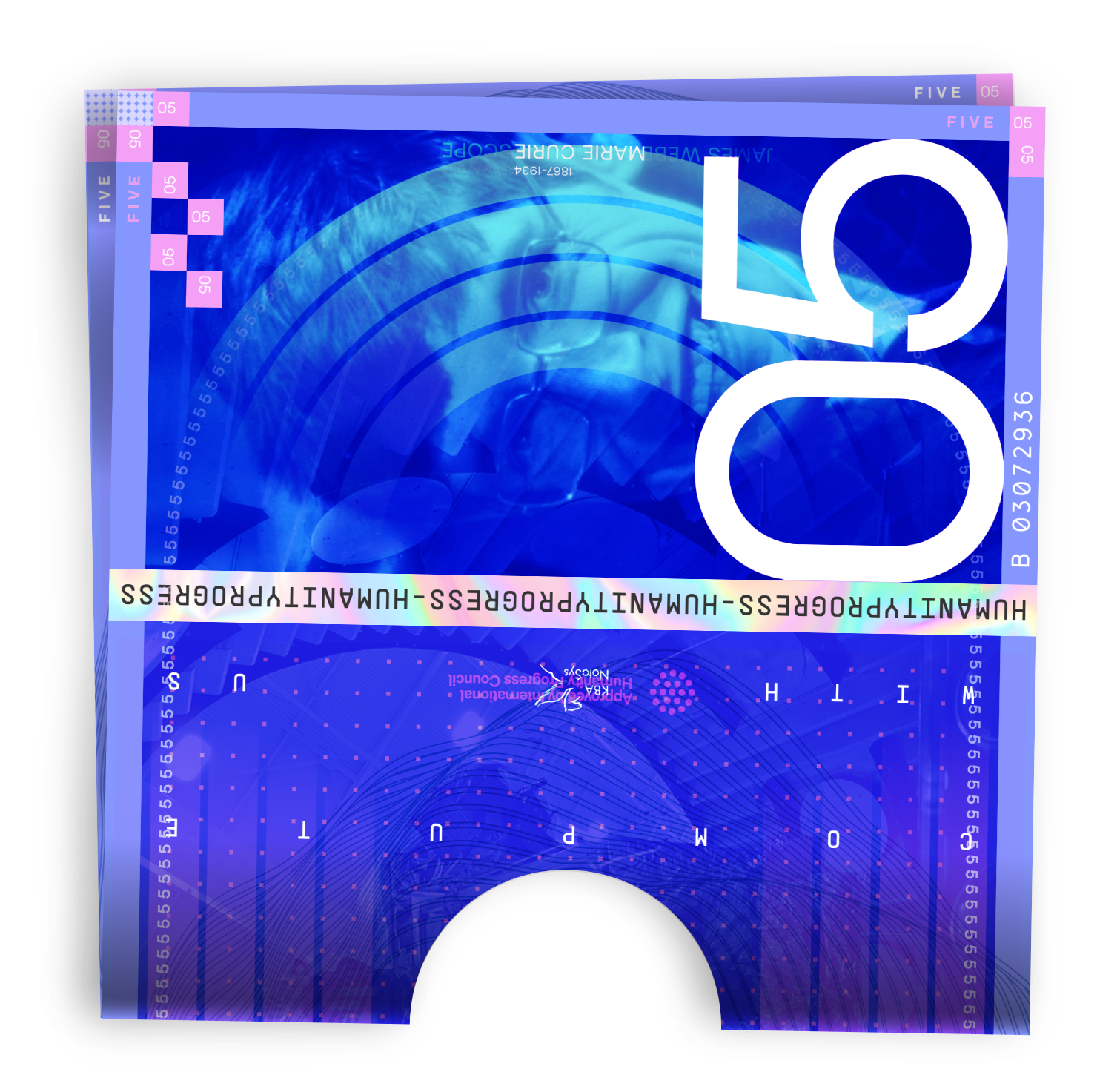
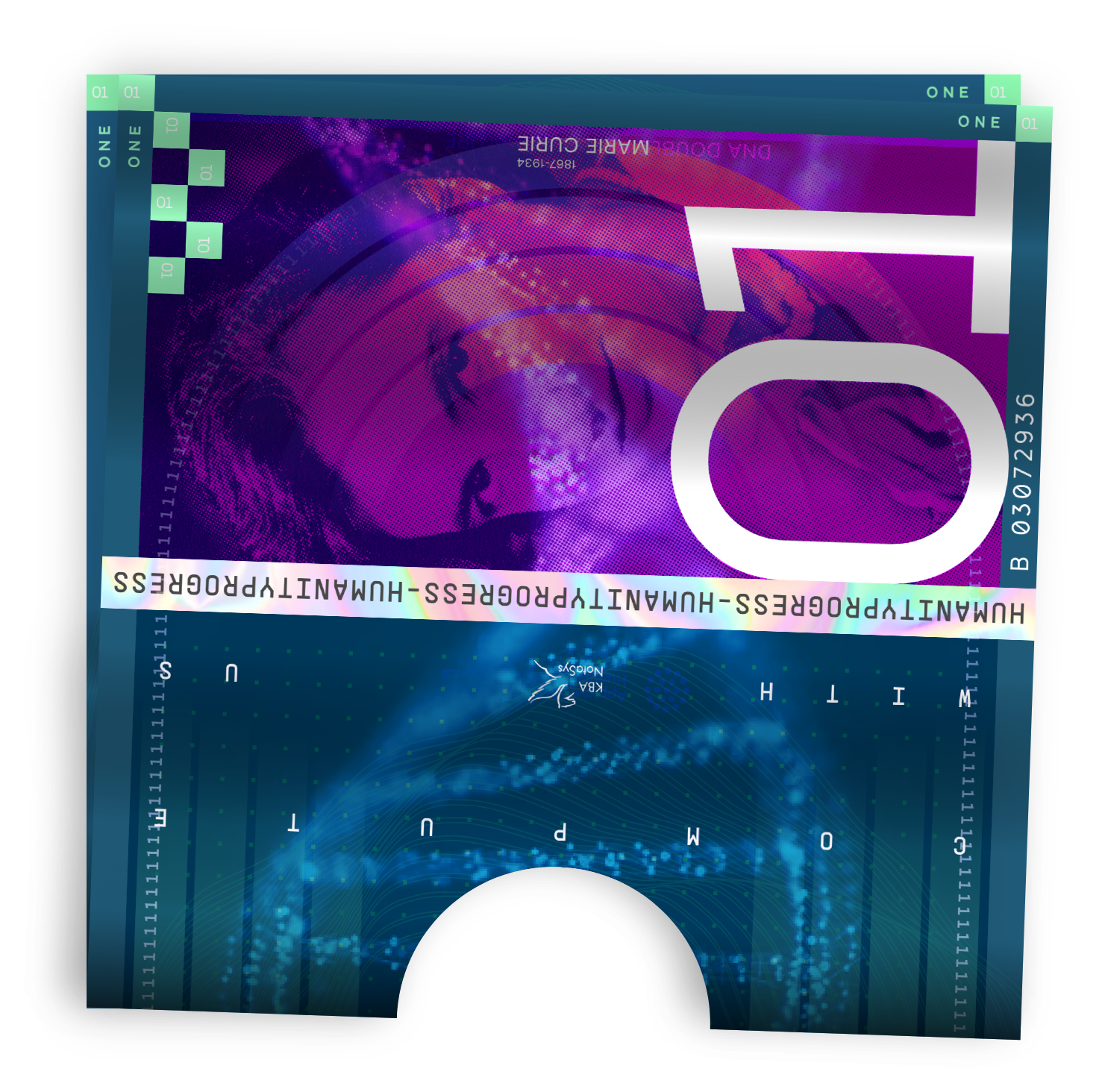
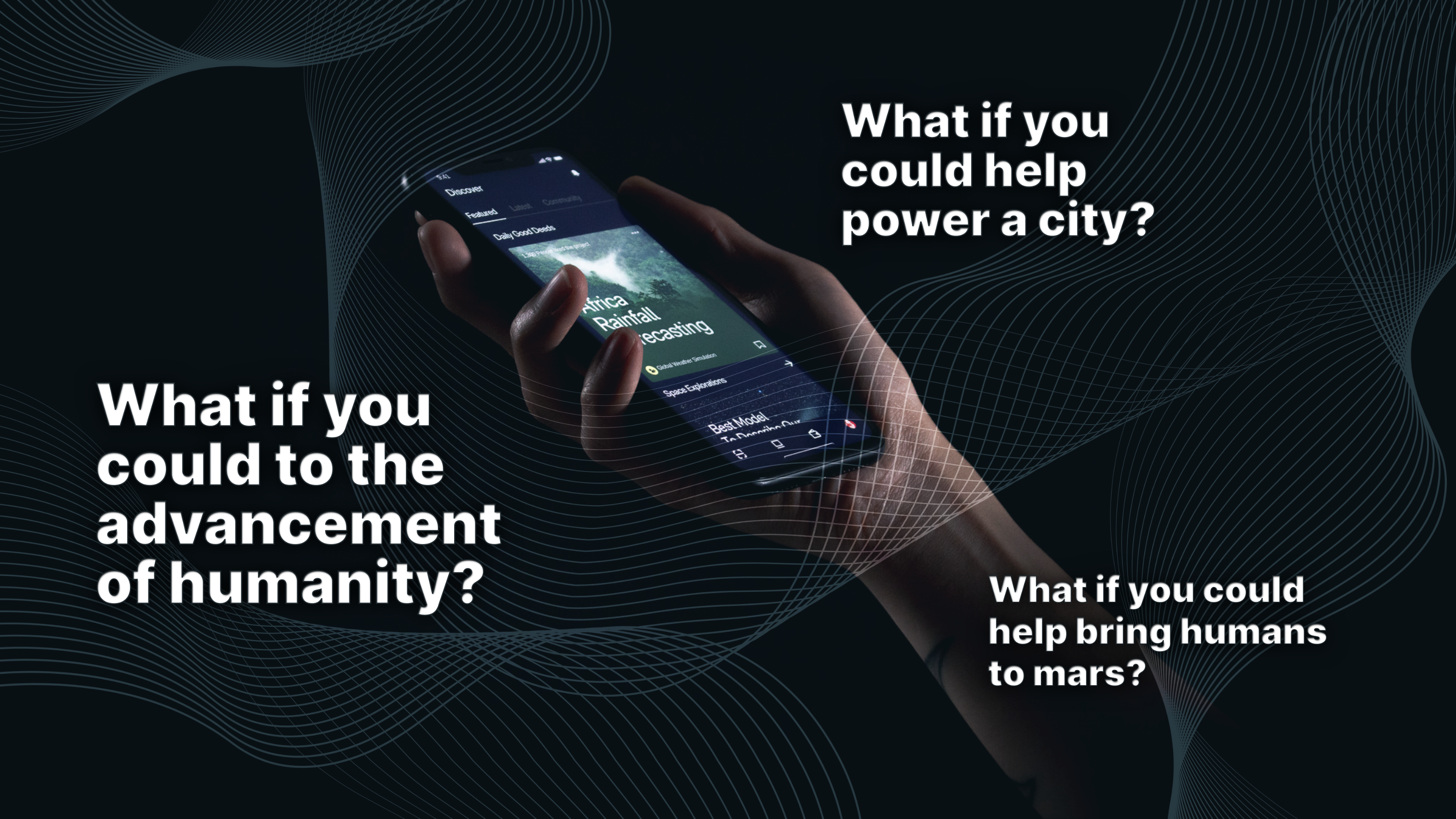
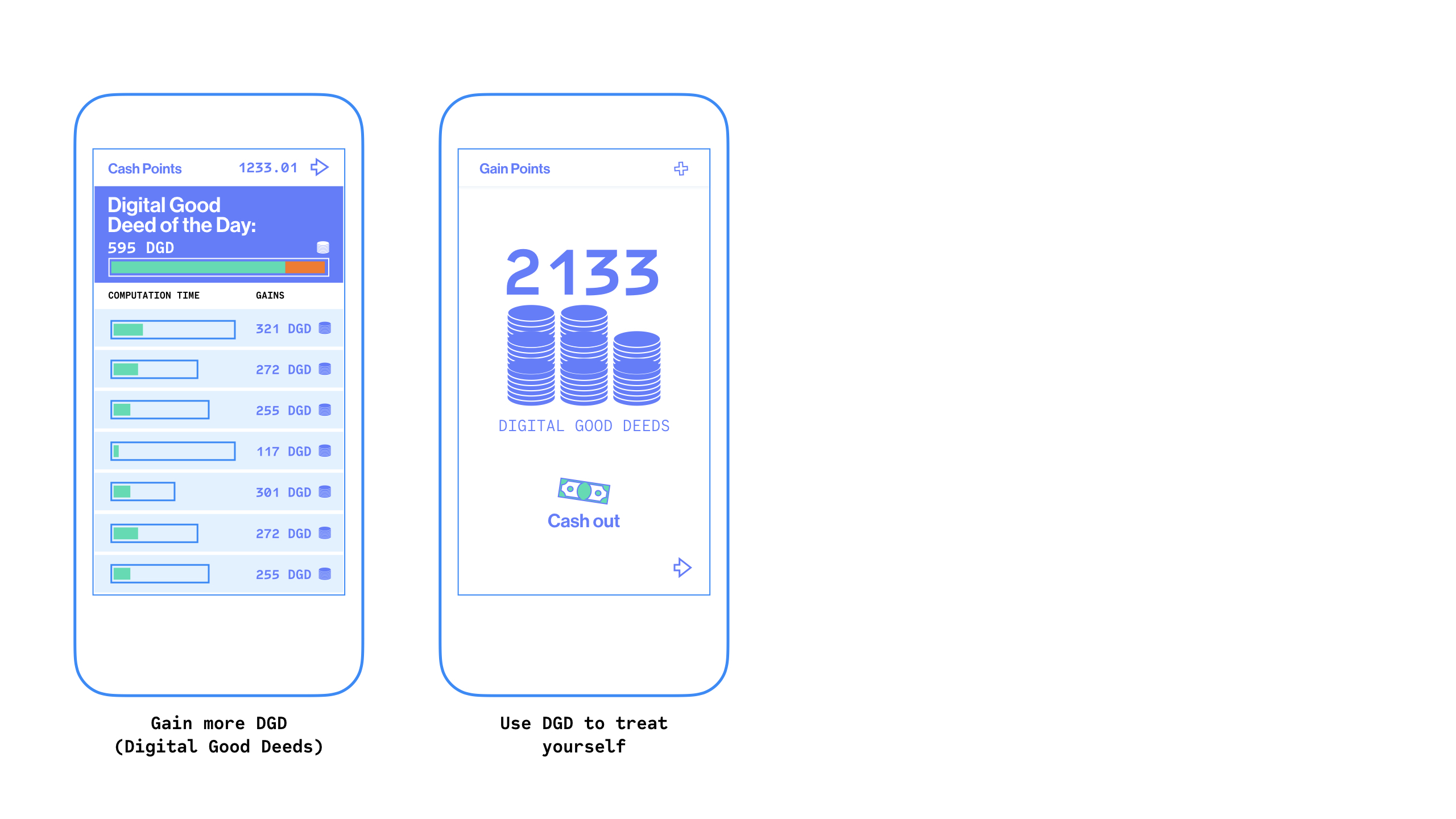
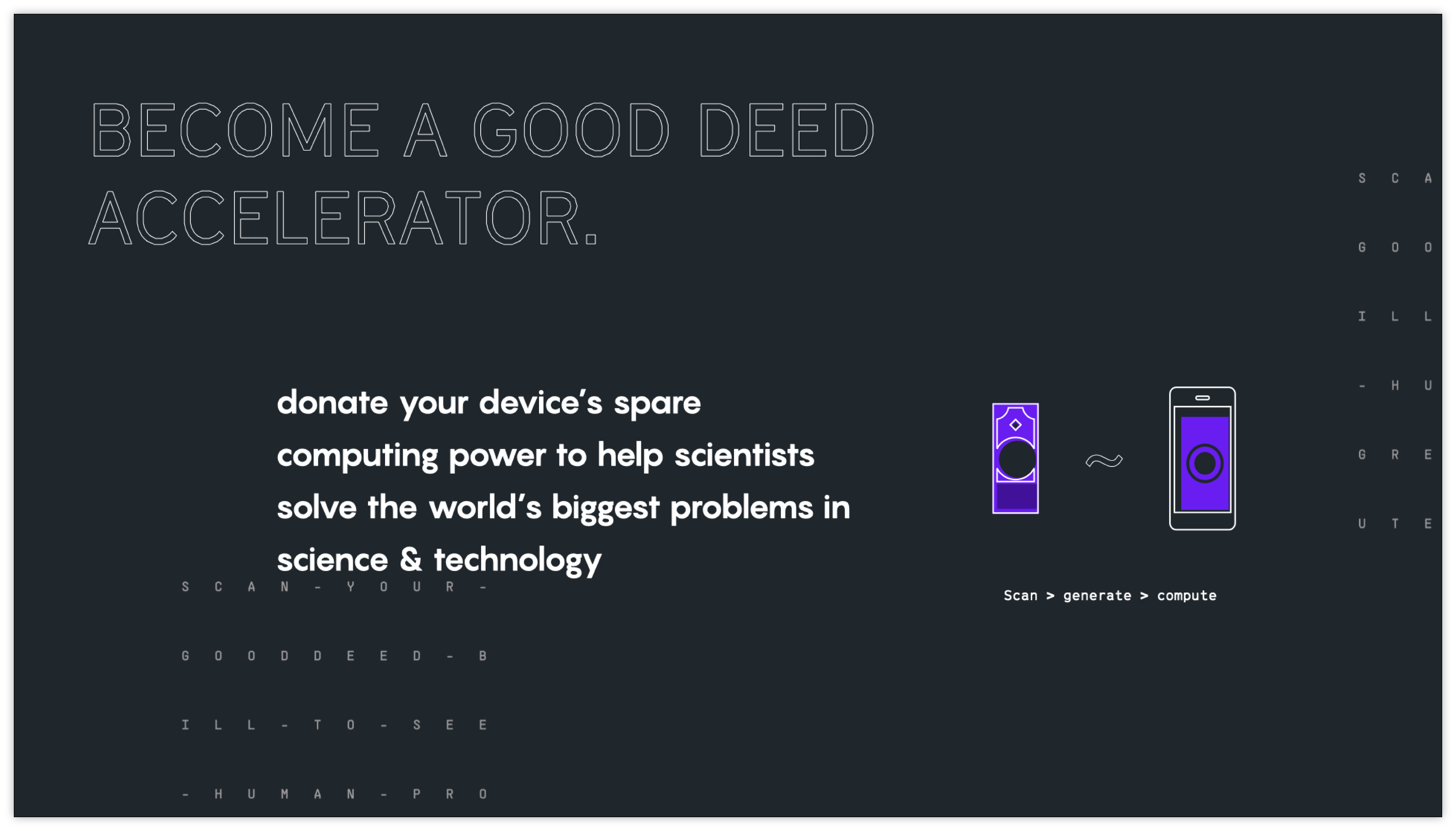
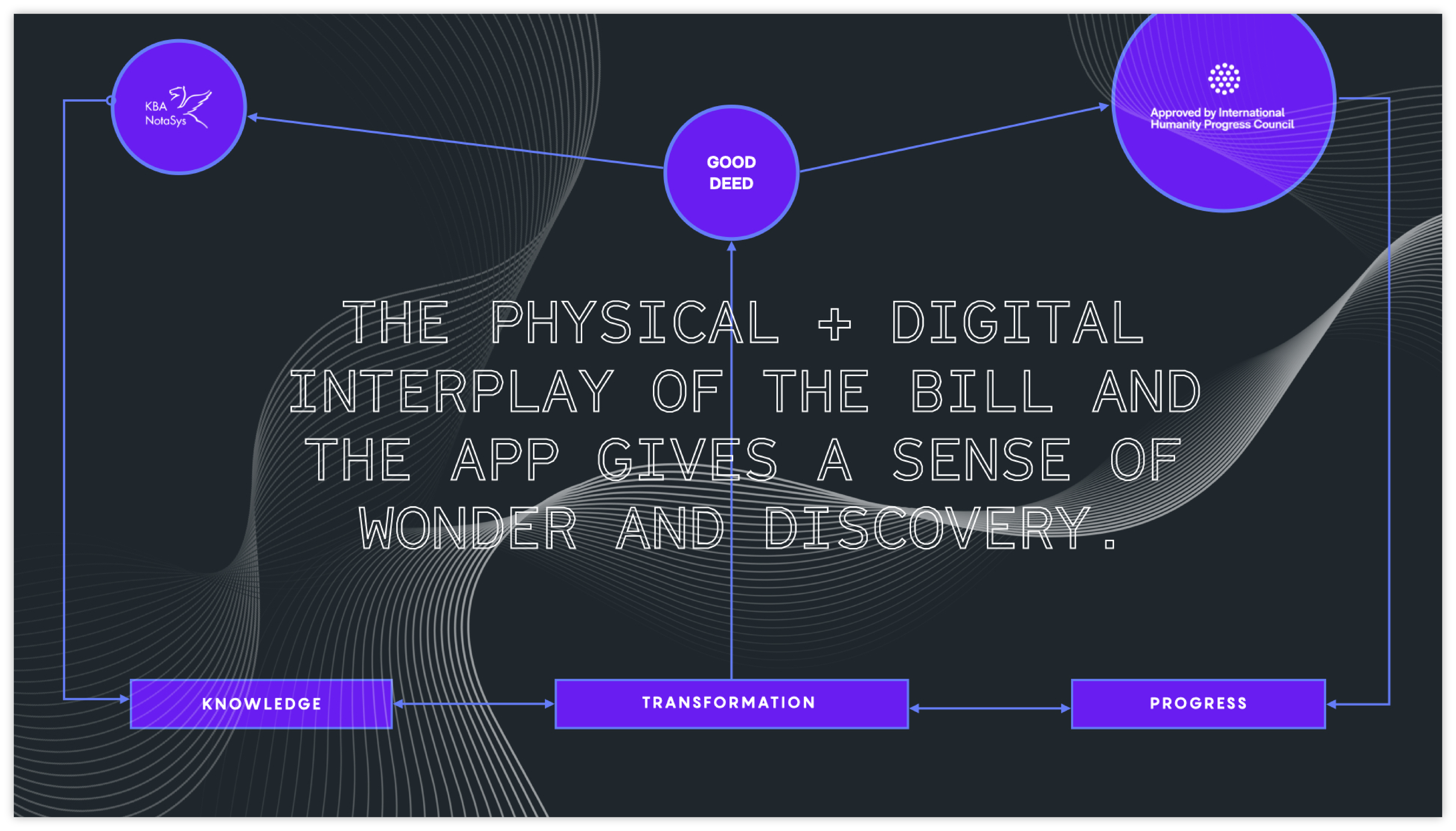
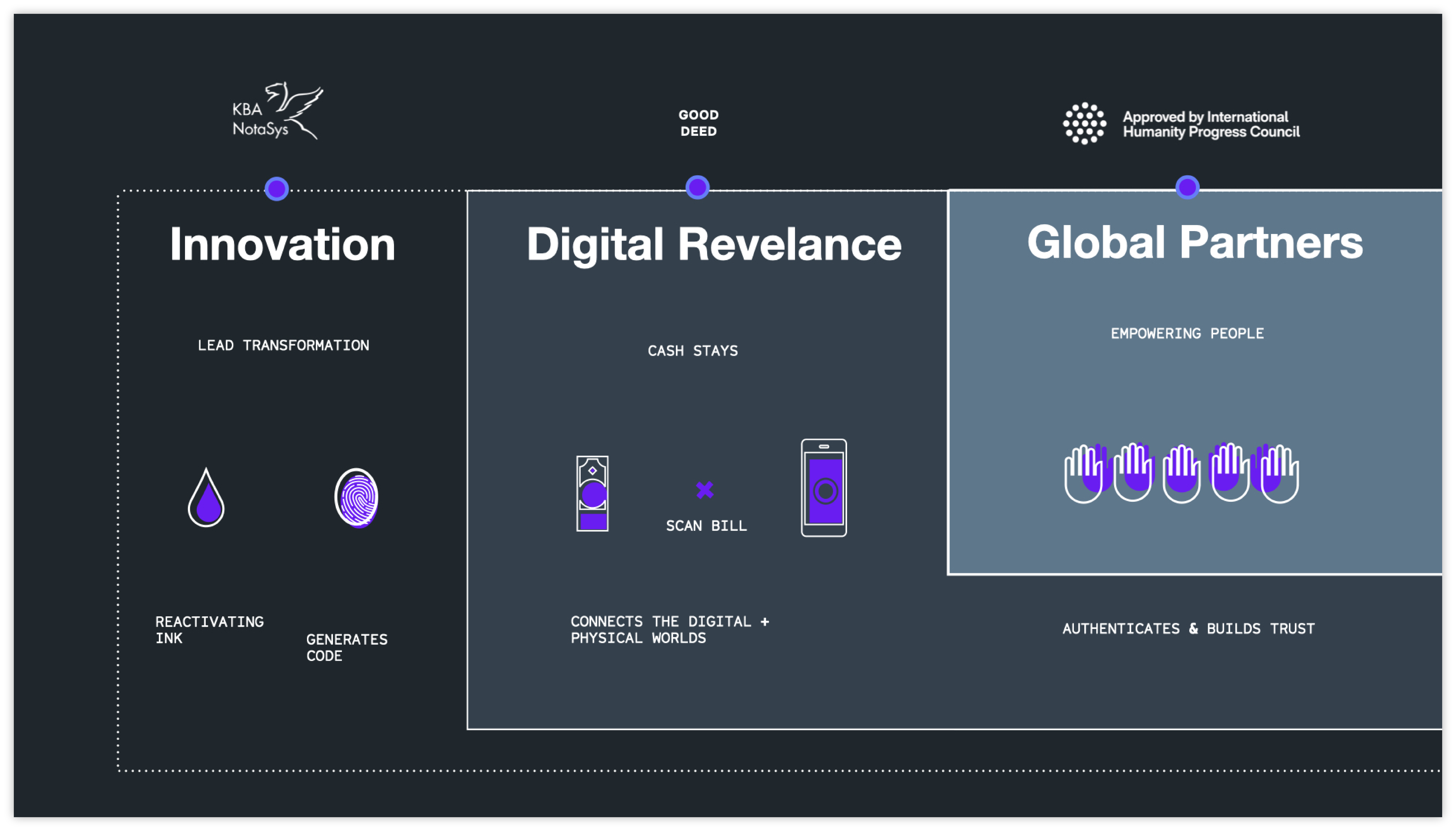
The GoodDeed (GD) Bill turns your device into an explorer. You scan the bill to discover and join thousands of citizen scientists volunteering to help chart the micro and cosmic world. With your help, scientists can identify the most important areas to study. This brings them closer to a discovery that can save lives and address global issues. Each bill generates a unique code when scanned to help connect your device to a project in need.
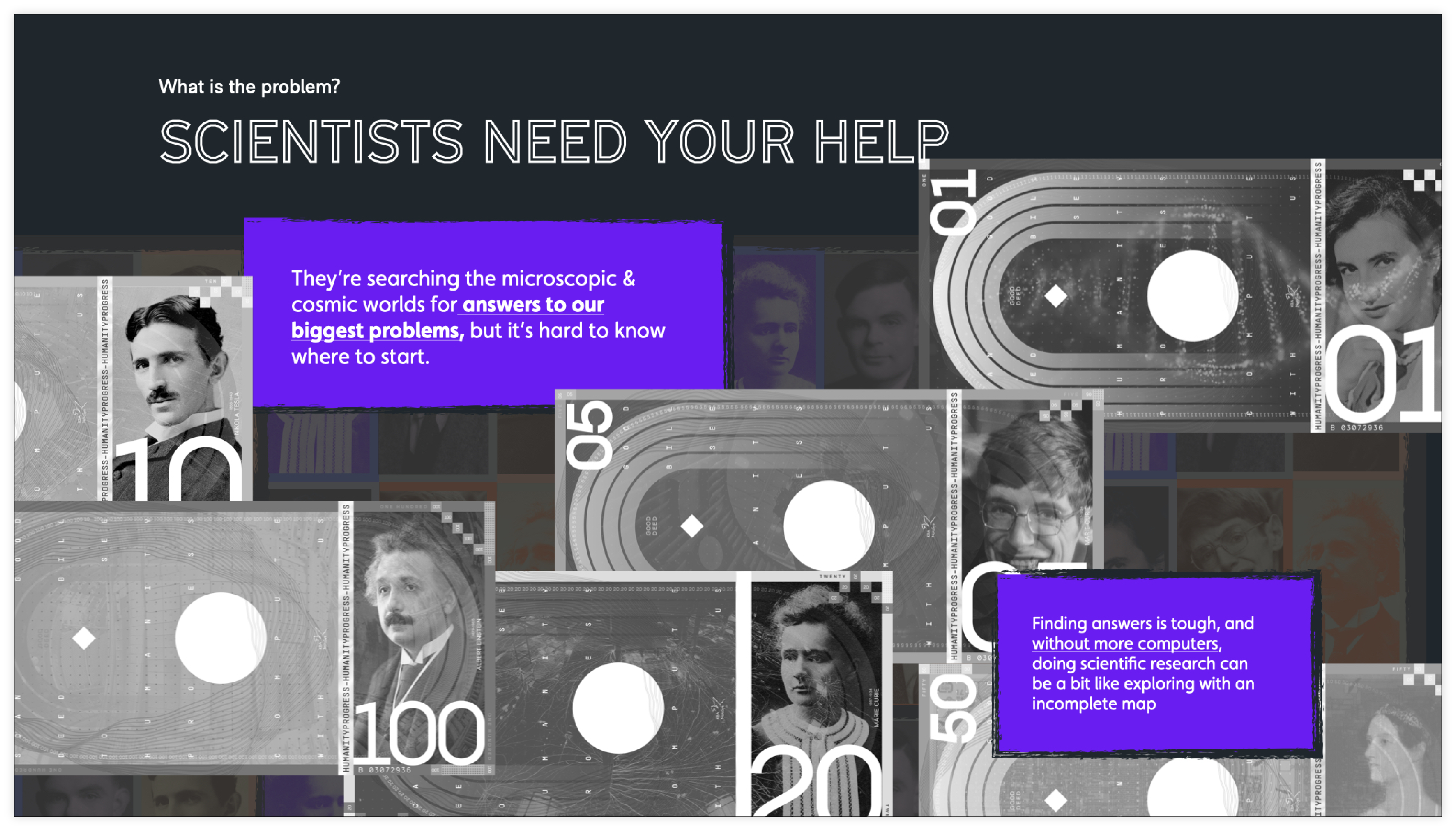
Scientists need our help. There are not enough computers to help power research calculations. With the amount of computing power we have today, it would take decades to get results.


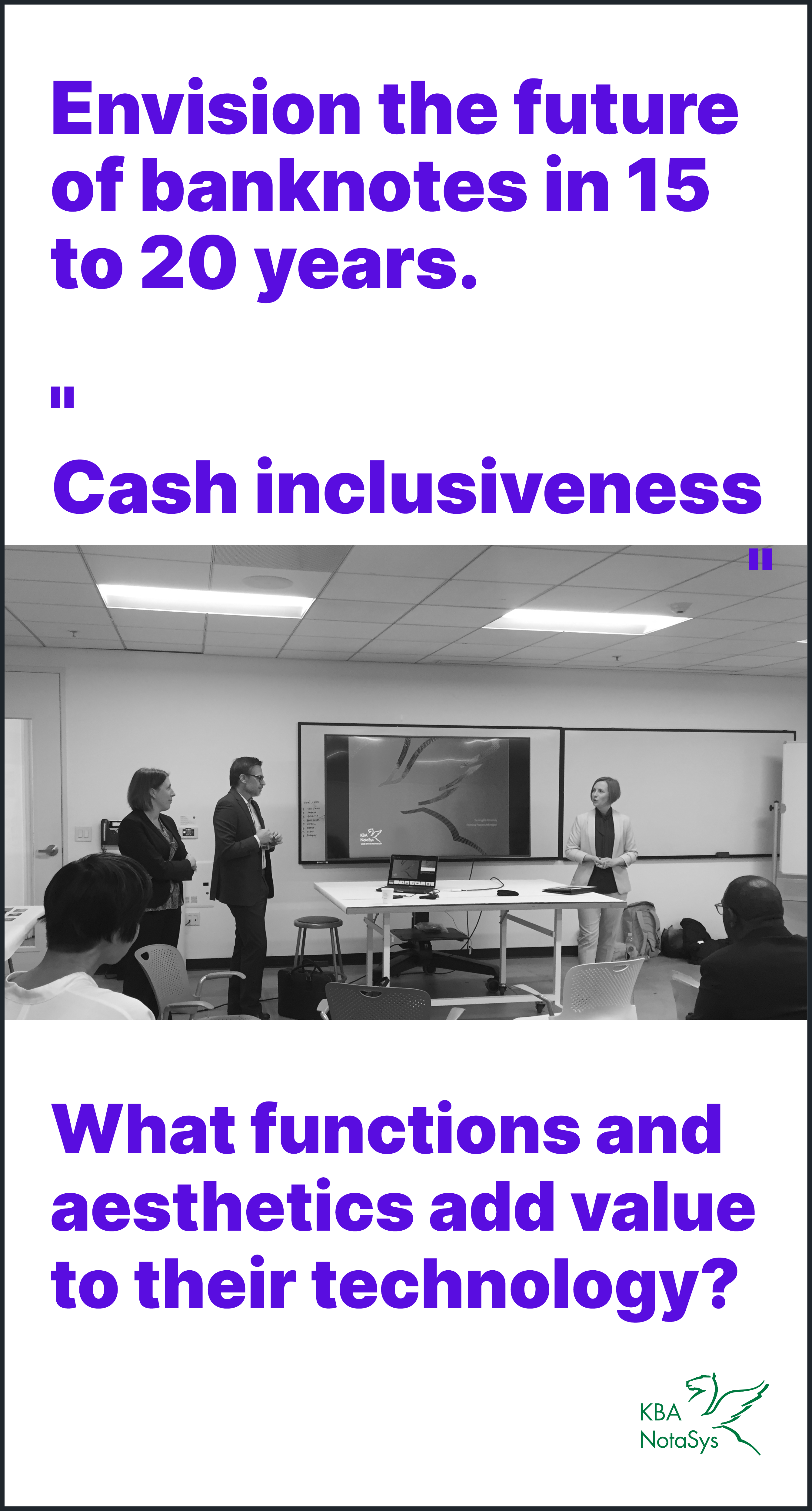
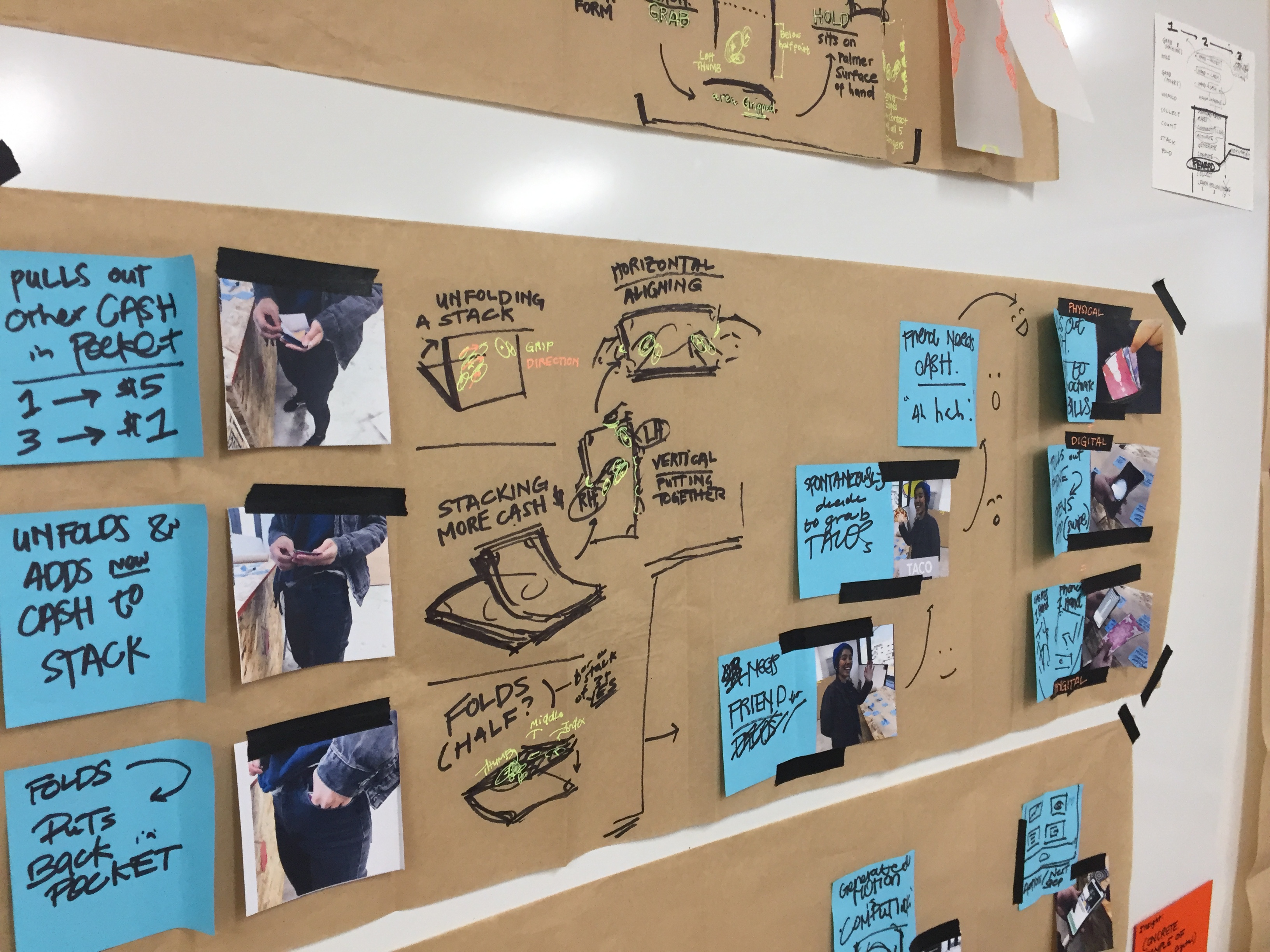
Our stakeholders were concerned with how the need for cash was changing and what possible trajectories the future of printing technology may head towards. In order to understand the problem presented to us, we spent the first few weeks doing user research. We conducted user interviews to find out peoples' perspectives on carrying cash and used tests to gauge the ways cash is handled to help us identify where the friction points were.
Is there a place in the future where banknotes are still relevant?
How can we add value to banknote technologies?
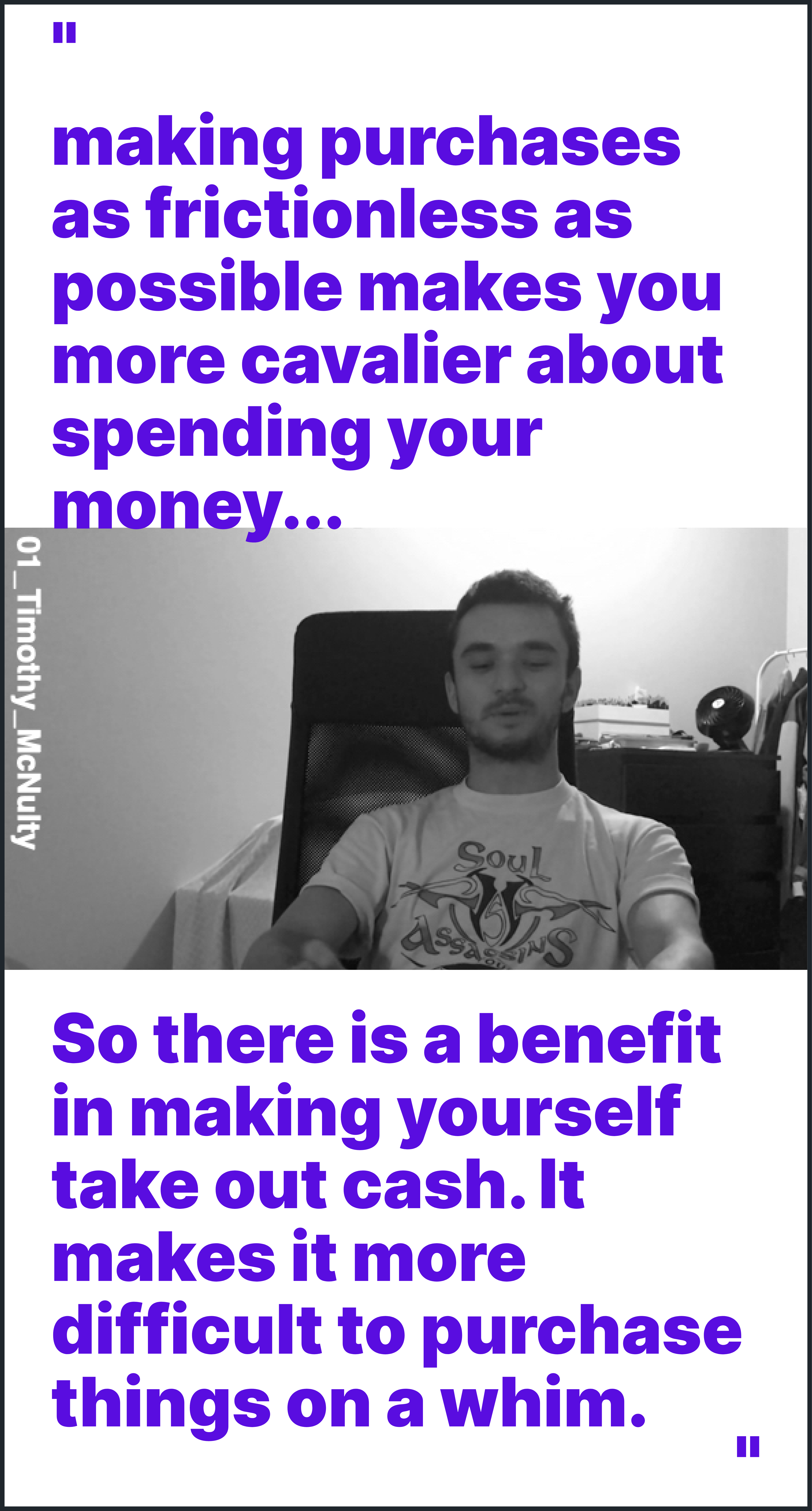
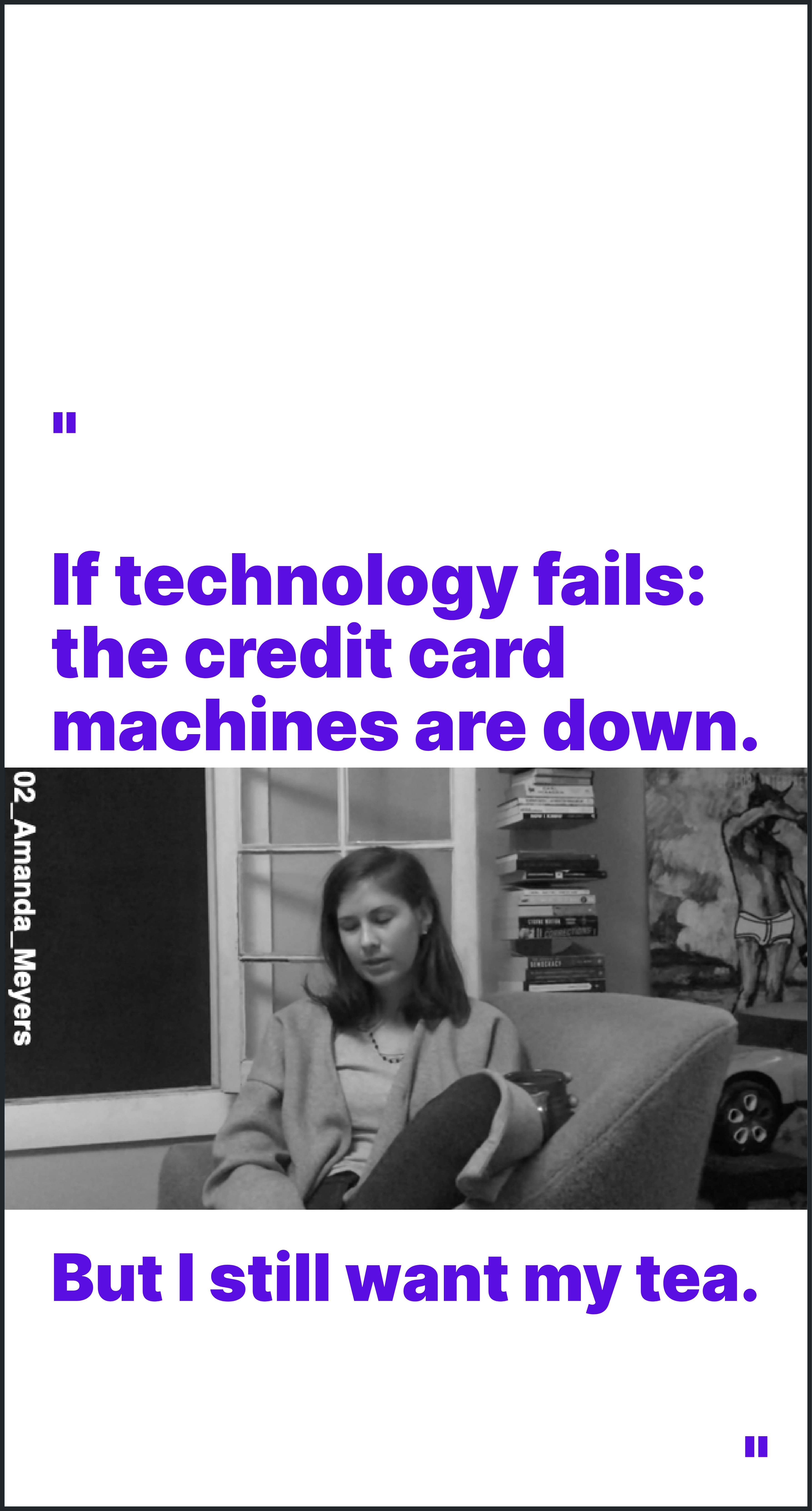
Carrying cash is a nuisance. Although, digital transactions are designed to be frictionless, they also make it too easy to spend more than needed.
We wanted to focus on the human-facing aspects of the cash experience by looking at the usability challenges of carrying cash and the nervous stigma of cash transactions. Our research goal was to understand the different levels of the cash experience: from the tactility of its design to how it moves from person to person.
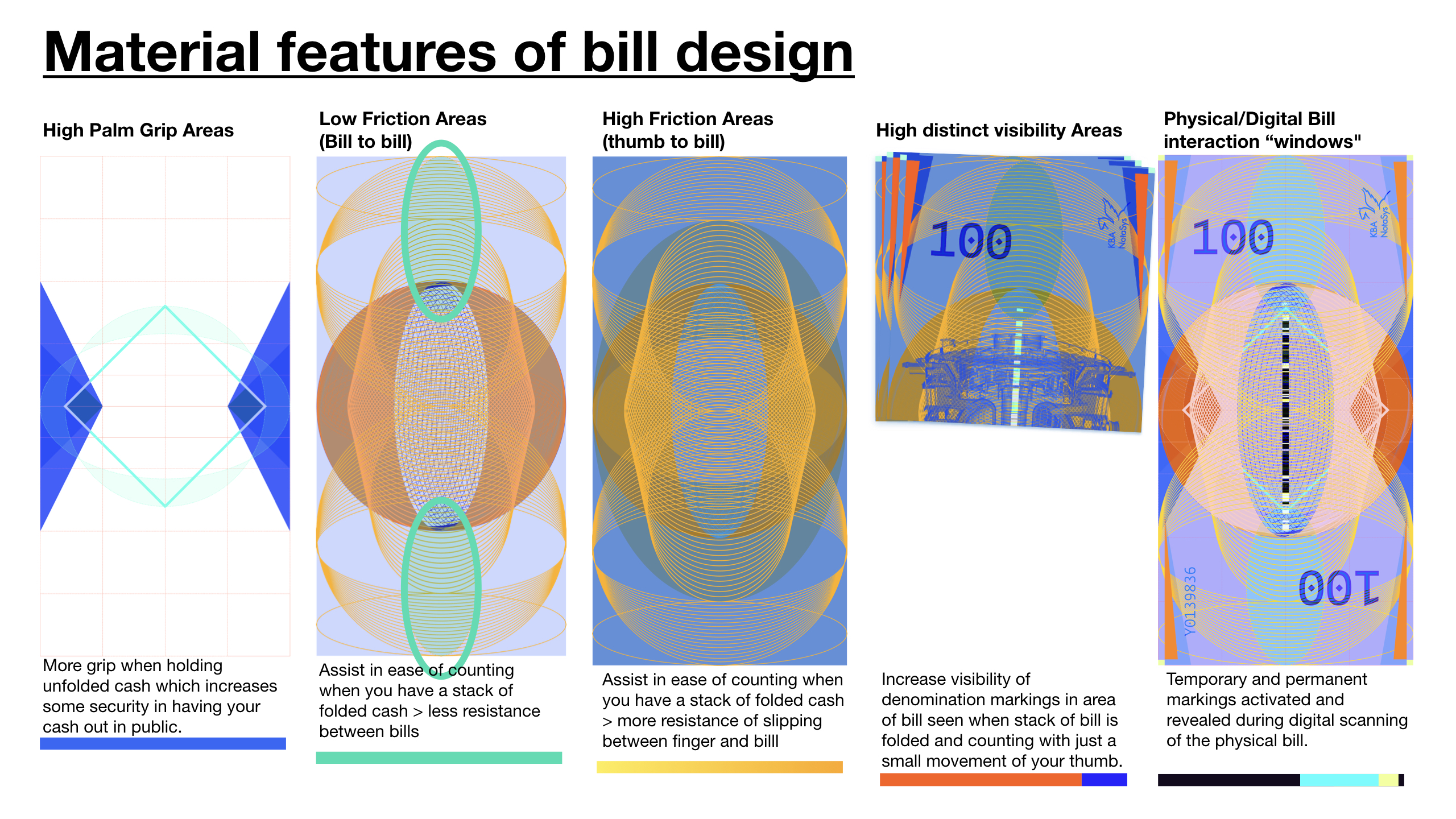
The design goal was to consider banknote features that make folding and counting tasks effortless, thus minimizing the stresses of carrying cash.
We want to nurture our relationship with our tactile world and not give in to a completely digital one: a physical and digital harmony.
Appreciating those experiences that turn into memorable moments that then become a story you share with others. A story coming from a seemingly mundane transaction: delightful interactions.
We want our design to consider the future of printing technology.
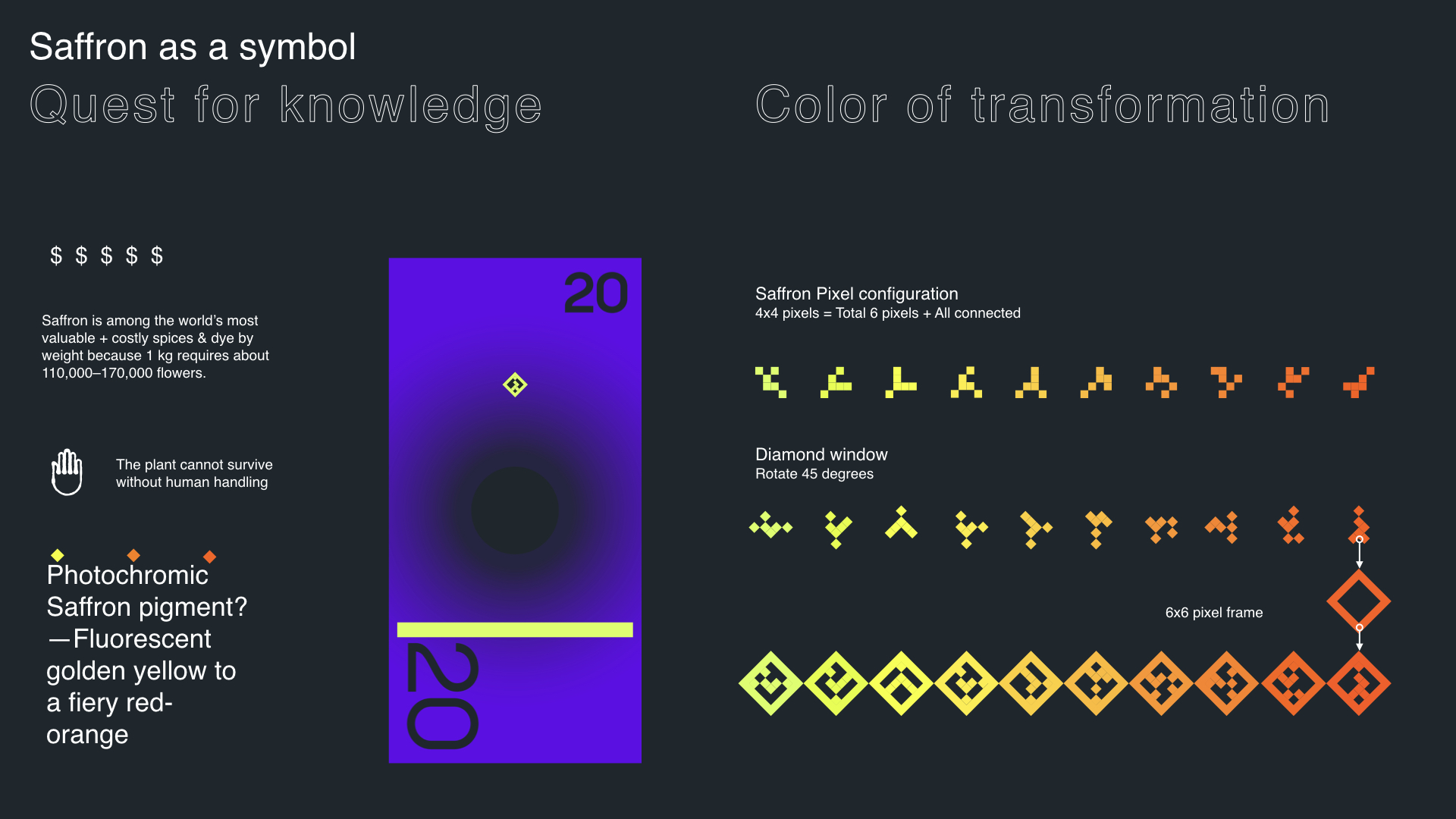
Light-activated ink: sensitivity to a particular color wavelength will activate the ink to appear and fade away after x seconds.
Code generator: interaction with the bill will generate a unique visual code that is imprinted on its substrate.
We want to see emergent features of the design arise from a culmination of the people and the parts contributing to this interactive and collective behavior.
Keys factors include transparency of information, social giving, and collaboration with strangers.